

Sleep is an essential component of overall health and well-being, yet many individuals struggle with sleep-related issues. In Devonport, sleep testing has become a vital resource for diagnosing and treating sleep disorders. This guide aims to provide a comprehensive overview of the sleep testing process, helping you understand what to expect and how to get started.
Understanding Sleep Disorders
Sleep disorders encompass a range of conditions that affect the ability to sleep well on a regular basis. Common disorders include insomnia, sleep apnoea, restless legs syndrome, and narcolepsy. Each of these conditions can significantly impact daily life, leading to fatigue, mood changes, and decreased productivity.
Sleep testing Devonport is a valuable resource for individuals struggling with sleep disorders. By understanding the process and what to expect, you can take proactive steps towards improving your sleep quality and overall health. From consulting your GP to interpreting test results, each step is crucial in identifying and addressing sleep-related issues.
Identifying the specific type of sleep disorder is crucial for effective treatment. Many individuals may not even realise they have a sleep disorder, as symptoms can vary widely. For instance, while some may experience excessive daytime sleepiness, others may struggle with difficulty falling or staying asleep.
Understanding the signs and symptoms of sleep disorders can empower individuals to seek help. If you find yourself feeling tired despite a full night’s sleep, or if you snore loudly or experience gasping for air during sleep, it may be time to consider sleep testing.
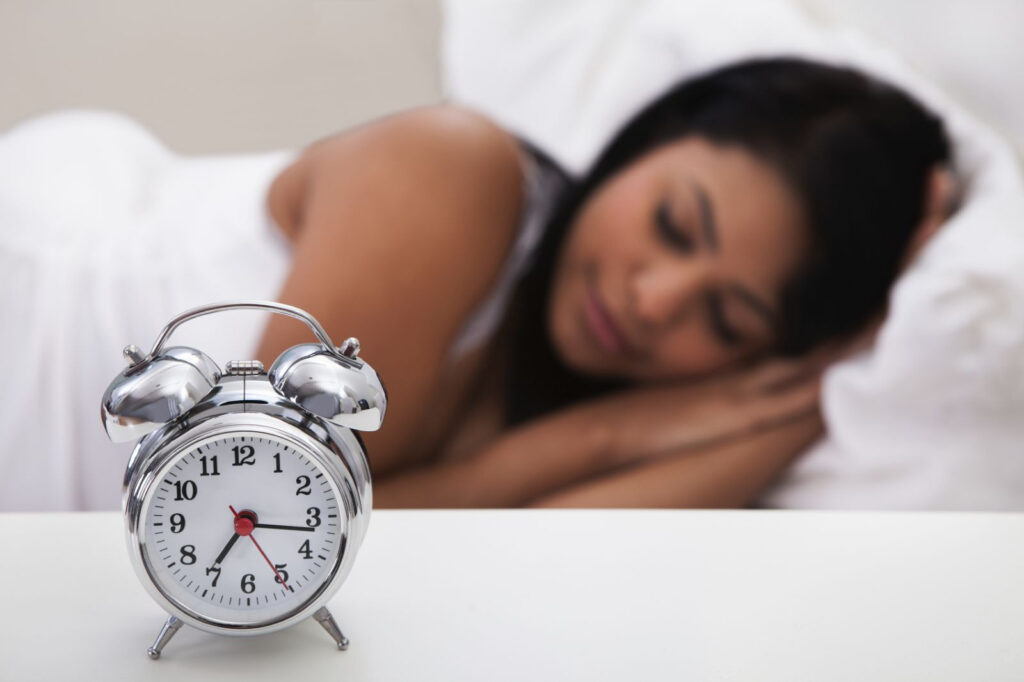
Why Consider Sleep Testing?
Sleep testing is a diagnostic tool that can provide valuable insights into your sleep patterns and behaviours. It typically involves monitoring various physiological parameters while you sleep, which can help healthcare professionals identify any underlying issues.
In Devonport, sleep testing is often recommended for individuals who exhibit symptoms of sleep disorders. The results can guide treatment options, which may include lifestyle changes, therapy, or the use of medical devices such as CPAP machines for sleep apnoea.
Moreover, sleep testing can also help rule out other medical conditions that may be contributing to sleep disturbances, ensuring a holistic approach to health and well-being.
Find more on: Sleep Study Launceston Local Options for Quality Sleep Testing
Getting Started with Sleep Testing
Embarking on the journey of sleep testing involves several steps. Understanding these steps can help demystify the process and make it more approachable.
Step 1: Consult Your General Practitioner
The first step in the sleep testing process is to consult your general practitioner (GP). During this appointment, you will discuss your sleep issues, symptoms, and any relevant medical history. Your GP may ask questions about your sleep habits, lifestyle, and any medications you are currently taking.
Your GP may also conduct a physical examination to rule out other potential causes of your sleep problems. Based on this assessment, they may refer you to a sleep specialist for further evaluation.
It is essential to be open and honest during this consultation, as it will help your GP understand the severity of your condition and determine the most appropriate course of action.
Step 2: Referral to a Sleep Specialist
If your GP suspects a sleep disorder, they will refer you to a sleep specialist. This specialist will conduct a more thorough evaluation, which may include a detailed sleep history and additional questionnaires to assess your sleep patterns.
During this appointment, the sleep specialist may discuss the different types of sleep tests available. These can include in-lab polysomnography, home sleep apnoea testing, or actigraphy, depending on your specific symptoms and needs.
It is crucial to ask questions during this appointment to ensure you fully understand the testing process and what to expect. This will help alleviate any concerns you may have and prepare you for the next steps.
Step 3: Preparing for Sleep Testing
Preparation for sleep testing can vary depending on the type of test you will undergo. If you are scheduled for an in-lab polysomnography, you may be advised to avoid caffeine and alcohol on the day of the test, as these substances can interfere with sleep quality. Learn more about caffeine on https://www.ncbi.nlm.nih.gov/books/NBK519490/
For home sleep apnoea testing, you will receive specific instructions on how to set up the equipment and what to do during the test. It is essential to follow these instructions carefully to ensure accurate results.
Additionally, consider keeping a sleep diary in the days leading up to your test. This diary can provide valuable insights into your sleep patterns and help the specialist better understand your condition.
Types of Sleep Tests Available in Devonport
In Devonport, various sleep testing options are available, each designed to assess different aspects of sleep. Understanding these options can help you make informed decisions about your care.
Polysomnography
Polysomnography is a comprehensive sleep study conducted in a sleep lab. It involves monitoring brain waves, oxygen levels, heart rate, and breathing patterns throughout the night. This type of test is particularly useful for diagnosing complex sleep disorders, such as sleep apnoea and narcolepsy.
During the test, you will be connected to various sensors that will record your sleep data. While the idea of sleeping in a lab may seem daunting, the environment is designed to be comfortable and conducive to sleep.
The results from polysomnography can provide a wealth of information, allowing the sleep specialist to develop a tailored treatment plan based on your specific needs.
Home Sleep Apnoea Testing
Home sleep apnoea testing is a more convenient option that allows you to conduct the test in the comfort of your own home. This type of test typically involves wearing a portable monitoring device that tracks your breathing patterns, oxygen levels, and heart rate while you sleep.
Home sleep apnoea testing is often recommended for individuals who exhibit symptoms of obstructive sleep apnoea and do not have other complicating factors. It is a less invasive option and can provide valuable information for diagnosis and treatment.
However, it is essential to ensure that you follow the instructions provided by your sleep specialist to obtain accurate results.
Actigraphy
Actigraphy involves wearing a wristwatch-like device that monitors your sleep-wake patterns over an extended period, typically one to two weeks. This method is particularly useful for assessing insomnia and circadian rhythm disorders.
The actigraphy device records movement and can provide insights into sleep duration, sleep efficiency, and patterns of wakefulness. This data can help your sleep specialist understand your sleep habits and identify any underlying issues. To learn more about efficiency click here.
Actigraphy is a non-invasive and convenient option, making it an excellent choice for individuals who may be reluctant to undergo more extensive testing.
Interpreting Your Sleep Test Results
Once your sleep test is complete, the data will be analysed by your sleep specialist. Understanding the results is crucial for determining the appropriate treatment plan.

Common Findings
Common findings from sleep tests may include the presence of sleep apnoea, periodic limb movements, or abnormal sleep architecture. Each of these findings can indicate different types of sleep disorders and will guide the treatment approach.
For instance, if sleep apnoea is diagnosed, your specialist may recommend lifestyle changes, the use of a CPAP machine, or other interventions to improve your sleep quality.
It is essential to have a follow-up appointment with your sleep specialist to discuss the results in detail and understand the implications for your health and well-being.
Developing a Treatment Plan
Based on the findings from your sleep test, your sleep specialist will work with you to develop a personalised treatment plan. This plan may include behavioural therapies, lifestyle modifications, or medical interventions, depending on the nature and severity of your sleep disorder.
For example, cognitive behavioural therapy for insomnia (CBT-I) is an effective treatment for individuals struggling with insomnia. Alternatively, if sleep apnoea is diagnosed, the use of a CPAP machine may be recommended to help maintain open airways during sleep.
Regular follow-up appointments will be necessary to monitor your progress and make any adjustments to your treatment plan as needed.
Conclusion
Prioritising your sleep health is essential, and seeking help is the first step towards achieving restful and restorative sleep. With the right support and treatment, you can overcome sleep challenges and enhance your quality of life.