
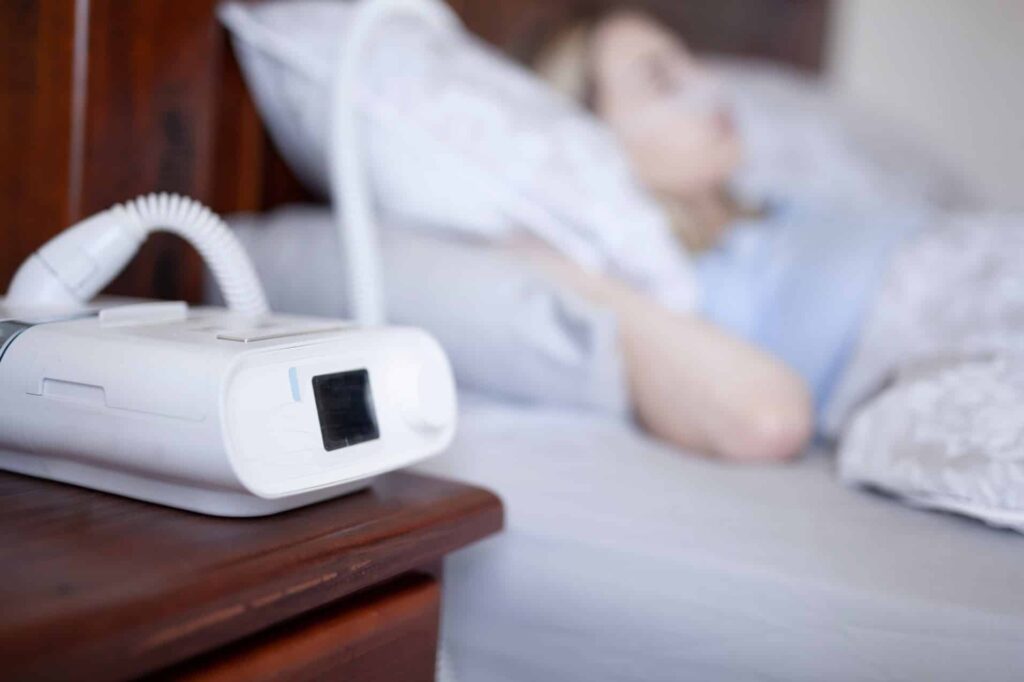
Getting restful sleep is crucial for your health, yet millions of adults struggle with sleep disorders like sleep apnea, which disrupt breathing and prevent restorative sleep. CPAP therapy (Continuous Positive Airway Pressure) is one of the most effective treatments for managing sleep apnea, helping patients maintain open airways and improve oxygen flow.
However, some CPAP users experience dryness or irritation in the nose, throat, or mouth — which is where humidifiers come into play. By integrating a humidifier with your CPAP machine, you can enhance comfort, improve adherence to therapy, and ultimately support heart health and overall wellness.
Understanding Sleep Apnea and CPAP Therapy
Sleep apnea occurs when the airway becomes partially or fully blocked during sleep, causing brief pauses in breathing. These interruptions reduce oxygen flow, fragment sleep, and trigger stress responses in the body. Untreated, sleep apnea can increase the risk of heart disease, high blood pressure, and fatigue.
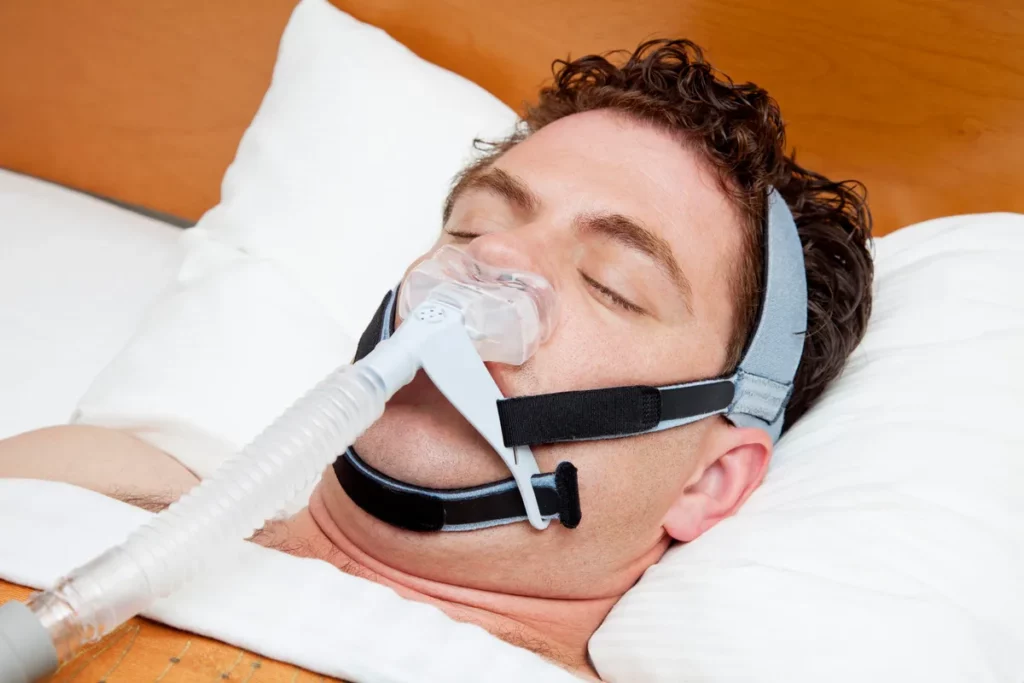
CPAP machines work by delivering a constant stream of pressurized air through a mask, keeping the airway open and preventing pauses in breathing. This continuous airflow restores oxygen levels, improves sleep quality, and reduces complications associated with untreated sleep apnea.
Why Dryness Happens During CPAP Therapy
Many CPAP users experience nasal dryness, throat irritation, or a dry mouth during therapy. The main reasons include:
See more: Sleep Study Launceston: Local Options for Quality Sleep Testing
- Constant airflow: The pressurized air from CPAP can dry out nasal passages and throat tissues.
- Low ambient humidity: Sleeping in dry climates or heated rooms can worsen dryness.
- Mouth breathing: Users who breathe through their mouth may experience more irritation.
These issues, while not dangerous, can make CPAP therapy uncomfortable and reduce adherence. Many patients stop using their CPAP machine due to these side effects, which compromises their sleep health and increases the risk of heart disease and sleep apnea complications.
How CPAP Humidifiers Improve Comfort
A CPAP humidifier is a device that adds moisture to the airflow from your CPAP machine. By warming and humidifying the air, it helps prevent dryness and irritation, making therapy much more comfortable.
Benefits of Using a CPAP Humidifier:
- Reduces nasal and throat dryness
- Prevents irritation and congestion
- Helps patients breathe more comfortably
- Improves adherence to CPAP therapy
- Supports better sleep quality and daytime energy
For example, a patient who previously struggled with dry, sore nasal passages reported sleeping uninterrupted after using a heated humidifier with their CPAP, highlighting the importance of comfort in maintaining consistent therapy.
Types of CPAP Humidifiers
Understanding the different types of humidifiers helps you choose the best option for your needs:
- Integrated Heated Humidifiers:
Built directly into the CPAP machine, offering convenience and adjustable heat settings. - Standalone Humidifiers:
Separate devices that can be paired with a CPAP machine. Usually larger but offer higher moisture output. - Passover Humidifiers:
Add moisture without heat, ideal for mild dryness or users sensitive to warm air.
Modern CPAP machines often come with automatic humidification, adjusting the moisture level based on the user’s environment, temperature, and therapy pressure — which is especially helpful for those living in dry climates.
Tips for Optimizing CPAP Humidifier Use
To get the most out of your humidifier and CPAP therapy, consider the following practical tips:
- Use distilled water: Reduces mineral buildup and extends the life of your device.
- Clean daily: Rinse the humidifier chamber daily with mild soap and warm water to prevent bacteria growth.
- Adjust heat and humidity levels: Start at a moderate setting and adjust based on comfort and symptoms.
- Check mask fit: A poorly fitted mask can cause leaks, reducing the effectiveness of both CPAP and humidification.
- Avoid over-humidification: Too much moisture can create condensation in the tube, known as “rainout,” which can disrupt sleep.
By following these simple practices, CPAP users can enhance comfort, increase adherence, and maintain consistent sleep health.
The Link Between CPAP, Humidifiers, and Heart Health
Comfortable CPAP therapy directly impacts long-term health. Consistent CPAP use improves oxygen flow during sleep, reduces nighttime awakenings, and supports cardiovascular health. When therapy is uncomfortable due to dryness or irritation, patients may skip nights or remove the mask — reducing the therapy’s effectiveness.
By using a humidifier, patients can:
- Maintain uninterrupted therapy: Improving sleep quality and oxygenation.
- Reduce cardiovascular strain: Steady oxygen levels prevent stress on the heart.
- Support healthy sleep patterns: Quality sleep regulates blood pressure and metabolism, protecting against heart disease and sleep apnea complications.
Practical Advice for New CPAP Users
Starting CPAP therapy can feel overwhelming, but incorporating a humidifier can make the transition smoother. Here are some tips:
- Start gradually: Wear the mask while watching TV or reading to get accustomed.
- Choose the right mask: Nasal pillows, nasal masks, or full-face masks offer different comfort levels.
- Clean regularly: Hygiene prevents infections and maintains optimal airflow.
- Monitor progress: Use the machine’s tracking features to review nightly usage and compliance.
- Consult your sleep specialist: If dryness persists, they may adjust pressure or recommend alternative humidification settings.
Real-World Example: Improved Sleep Quality with a Humidifier
Consider Sarah, a 48-year-old with moderate obstructive sleep apnea. She struggled with dry nasal passages and throat irritation, often waking during the night. After adding a heated humidifier to her CPAP machine, she reported sleeping through the night, waking refreshed, and noticing reduced daytime fatigue.
This example highlights how humidifiers not only improve comfort but also enhance therapy effectiveness, ultimately supporting heart health and overall well-being.
Conclusion: Enhancing CPAP Therapy Through Humidification
CPAP therapy is a cornerstone treatment for sleep apnea, restoring healthy breathing patterns, improving oxygen flow, and protecting heart health. However, dryness and discomfort can reduce therapy adherence, undermining its benefits.
Adding a humidifier to your CPAP setup can prevent nasal and throat irritation, enhance comfort, and improve sleep quality. By following proper maintenance, mask fitting, and hygiene practices, patients can enjoy the full benefits of CPAP therapy while reducing the risk of sleep apnea complications and heart disease.
If you experience persistent dryness or discomfort during CPAP therapy, consult your sleep medicine specialist. Small adjustments like a humidifier can make a significant difference in both comfort and health outcomes.
FAQS
A CPAP machine delivers constant air pressure through a mask, keeping your airway open while you sleep. This prevents pauses in breathing, improves oxygen flow, and helps you achieve deeper, more restorative sleep without interruptions.
Yes. Many people notice better focus, energy, and alertness after using a CPAP machine consistently. By eliminating nighttime breathing disruptions, your body gets the deep, quality sleep needed to recharge fully and reduce excessive daytime sleepiness.
Some users experience mild side effects such as nasal dryness, mask discomfort, or air leakage. These are easily managed with proper mask fitting, humidifiers, or consulting a sleep specialist to adjust pressure settings for optimal comfort.
Many users notice improvements in sleep quality and energy levels within the first few days. However, consistent use is key. Most sleep specialists recommend using CPAP every night to achieve long-term benefits for heart health and breathing.