
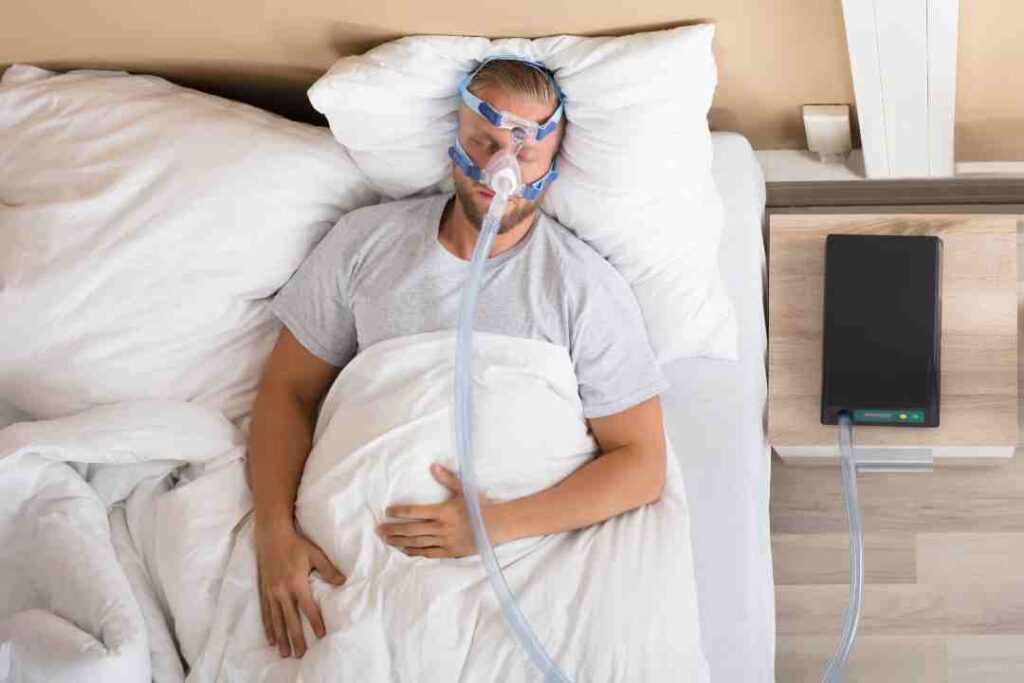
Respiratory health is a cornerstone of well-being, particularly for those managing chronic conditions. Navigating the landscape of medical oxygen supplies can be complex, especially when balancing clinical requirements with the lifestyle needs of living in a vibrant city like Melbourne. Whether you are a healthcare provider or a patient, understanding the nuances of oxygen delivery systems is vital for effective therapy.
This guide provides a comprehensive breakdown of oxygen solutions, from stationary concentrators to the latest in air oxygen technology, ensuring you have the knowledge to make informed decisions for long-term respiratory care.
What Are Medical Oxygen Supplies?
Medical oxygen supplies encompass the specialized equipment used to deliver supplemental oxygen to individuals who cannot get enough oxygen naturally from the air. This insufficiency often stems from conditions such as Chronic Obstructive Pulmonary Disease (COPD), pulmonary fibrosis, or severe asthma.
The primary goal of these supplies is to increase the concentration of oxygen inhaled by the patient, thereby improving blood oxygen saturation levels and reducing the strain on the heart and lungs.
The Science of Supplemental Oxygen
In standard atmospheric conditions, the air we breathe contains approximately 21% oxygen. For patients with compromised lung function, this concentration is often insufficient. Medical oxygen supplies bridge this gap by providing purified oxygen at concentrations typically exceeding 90%.
Types of Medical Oxygen Delivery Systems
Understanding the hardware is the first step toward effective treatment. In Australia, and specifically within the Melbourne metropolitan area, users generally choose between three primary systems.
See more: The Role of Humidifiers in CPAP Therapy: Preventing Dryness and Enhancing Comfort
1. Oxygen Concentrators (Stationary and Portable)
Concentrators are the most common solution for long-term home therapy. They work by pulling in ambient room air, removing nitrogen through a molecular sieve, and delivering purified oxygen to the user.
- Stationary Units: Designed for use at home, these are powered by a standard electrical outlet. They offer high flow rates (often up to 5 or 10 liters per minute).
- Portable Oxygen Concentrators (POCs): Lightweight and battery-operated, POCs allow Melbourne residents to maintain their mobility, whether visiting the Royal Botanic Gardens or traveling on public transport.
2. Compressed Oxygen Cylinders
These are traditional metal tanks containing pressurized oxygen. While they do not require electricity, they have a finite supply and must be refilled or swapped regularly by a local Melbourne supplier.
3. Liquid Oxygen Systems
Reserved for high-flow users, liquid oxygen is stored at extremely cold temperatures. It allows for a large volume of oxygen to be stored in a relatively small, stationary reservoir, which can then be used to refill small, wearable “strollers.”
Benefits of Using Advanced Air Oxygen Equipment
The transition from traditional tanks to modern air oxygen concentrators has revolutionized patient outcomes. The benefits extend beyond simple physiological stability:
- Increased Independence: Portable units remove the “tether” to the home, allowing for social engagement and physical activity.
- Cost-Efficiency: While the upfront cost of a concentrator is higher, it eliminates the ongoing expense of cylinder refills and delivery fees.
- Safety: Modern concentrators do not store oxygen under high pressure, significantly reducing the fire and explosion risks associated with heavy cylinders.
- Sleep Quality: Continuous flow settings on stationary devices ensure that oxygen levels remain stable during sleep, preventing nocturnal desaturation.
Choosing the Right Ox

When selecting medical oxygen supplies in the Melbourne region, several local factors should influence your decision:
| Feature | Stationary Concentrator | Portable Concentrator | Oxygen Cylinders |
| Best For | Overnight & Home use | Travel & Shopping | Emergency backup |
| Power Source | AC Wall Outlet | Rechargeable Battery | None Required |
| Weight | 14kg – 25kg | 1.5kg – 3kg | Variable |
| Maintenance | Low (Filter cleans) | Low (Battery care) | High (Refills) |
Key Considerations for Melbourne Residents
- Climate Factors: Melbourne’s variable humidity can affect some concentrator filters. Ensure your device is rated for Australian conditions.
- Travel Requirements: If you plan on flying out of Melbourne Airport (Tullamarine), your POC must be FAA-approved.
- Local Support: Ensure your provider has a physical presence in Victoria to handle emergency repairs or loaner units.
Step-by-Step Process for Obtaining Oxygen Supplies
If you or a loved one has been prescribed oxygen therapy, follow this framework to ensure a seamless setup:
- Clinical Assessment: Visit a pulmonologist or respiratory specialist for an arterial blood gas (ABG) test or oximetry test.
- Prescription Acquisition: Your doctor will provide a prescription specifying the flow rate (liters per minute) and duration of use (e.g., 16 hours per day).
- Supplier Selection: Research Melbourne-based providers who offer both sales and ongoing technical support.
- Trial Period: Most reputable suppliers allow a trial of different masks (nasal cannulas vs. high-flow masks) to ensure comfort.
- Home Setup: A technician should visit your home to ensure the equipment is placed in a well-ventilated area away from open flames.
Best Practices for Maintaining Your Oxygen Equipment
To ensure the longevity of your medical oxygen supplies and the safety of your home, adhere to these professional standards:
- Filter Hygiene: Wash the external particle filter weekly with warm soapy water and air-dry completely before reinsertion.
- Tubing Replacement: Replace your nasal cannula every 2–4 weeks to prevent bacteria buildup and maintain flexibility.
- Battery Calibration: For portable units, run the battery down to 10% once a month before recharging to maintain its maximum capacity.
- Clearance: Maintain at least 15cm of space around your stationary concentrator to allow for proper heat dissipation and air intake.
Common Mistakes to Avoid
- Smoking Near Equipment: Oxygen is a powerful accelerant. Never smoke or allow open flames (candles, gas stoves) within 3 meters of your oxygen source.
- Using Oil-Based Products: Avoid using petroleum-based lip balms or lotions on your face while using oxygen, as these can ignite in an oxygen-rich environment. Use water-based alternatives instead.
- Adjusting Flow Rates: Never change the liter-per-minute (LPM) setting without consulting your doctor. Too much oxygen can be as harmful as too little for certain patients.
Frequently Asked Questions
What is the difference between pulse dose and continuous flow?
Pulse dose delivery provides a “bolus” of oxygen only when you inhale, which preserves battery life in portable units. Continuous flow provides a steady stream regardless of your breathing pattern and is typically required for sleep.
Can I take my portable oxygen concentrator on Melbourne trains?
Yes, POCs are permitted on Metro Trains and V/Line services. It is recommended to ensure your battery has at least 150% of the charge required for your expected travel time.
How often do oxygen cylinders need to be replaced?
This depends on the size of the cylinder and your flow rate. A standard ‘C’ size cylinder may only last 2–4 hours at a flow rate of 2LPM, making them better suited for short trips or backups.
Are medical oxygen supplies covered by Medicare or NDIS?
In many cases, yes. Eligibility depends on your clinical diagnosis and whether you hold a Pensioner Concession Card. You should discuss the “Victorian State-wide Equipment Program” (SWEP) with your healthcare provider.
How do I know if my oxygen concentrator is working?
Most modern devices feature Alarms for low oxygen purity. You can also use a pulse oximeter (a small finger clip) to monitor your blood oxygen saturation levels in real-time.
Conclusion
Securing the right medical oxygen supplies is a transformative step toward regaining your quality of life. By understanding the differences between stationary units and portable air oxygen solutions, Melbourne residents can enjoy the best of what the city has to offer without compromising their respiratory health.