
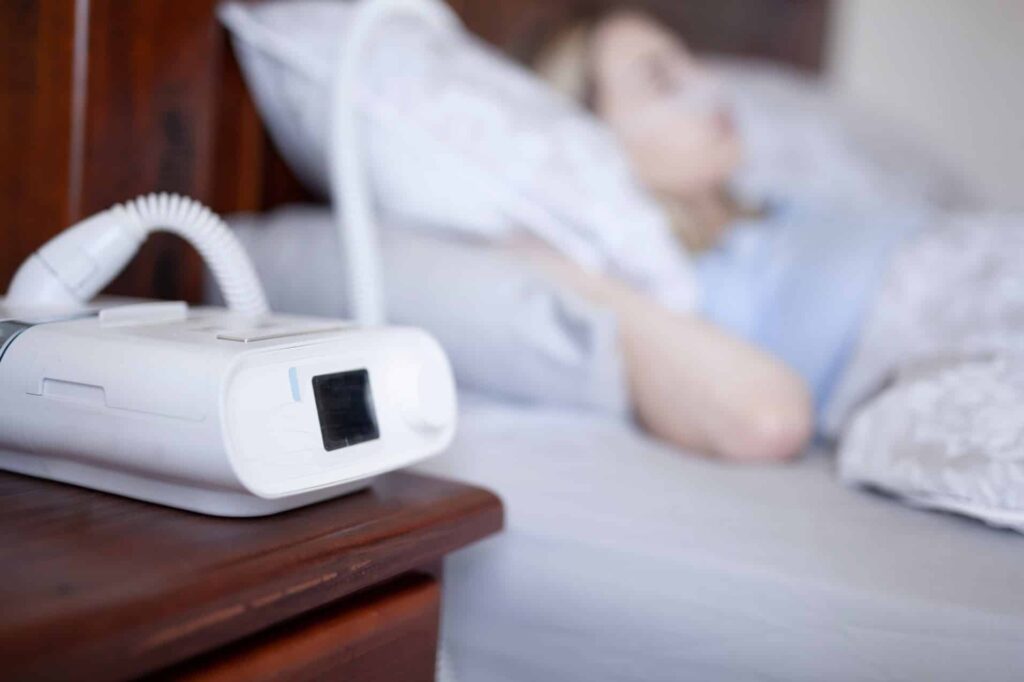
This guide explains what the EverFlo is and how it typically compares with other home concentrators, so readers can narrow down what matters before speaking with a clinician or supplier.
What is the Philips EverFlo?
The Philips EverFlo is a stationary (home) oxygen concentrator that takes in room air, filters it, and delivers concentrated oxygen through tubing to the user. It is built for long, everyday use in the home rather than travel.
It is usually positioned in one room and used with standard oxygen tubing, following a prescribed flow rate.
Who is the EverFlo designed for?
The EverFlo is generally intended for people who need oxygen therapy at home and have a prescription that can be met by a stationary concentrator. It suits those who value a unit that is straightforward to operate and not overly bulky.
They should always confirm suitability with their oxygen provider, since clinical needs, flow requirements, and usage hours vary.
What are the key features people usually care about?
Most buyers and renters focus on noise, weight, power use, ease of maintenance, and how reliably the unit holds the prescribed oxygen flow. The EverFlo is commonly discussed as a relatively compact, user-friendly stationary concentrator.
Depending on the exact model and configuration, suppliers may also highlight accessible filters and a design intended to reduce clutter and maintenance friction.
How does the EverFlo compare on noise levels?
In practical terms, many people compare concentrators by how noticeable they are in a living room or bedroom. The EverFlo is often positioned as a quieter-feeling unit compared with some older, heavier concentrators.
That said, “quiet” is subjective. Room acoustics, placement, and flow setting can change the experience, so they should ask for decibel figures and, if possible, hear a demo.
How does the EverFlo compare on size and weight?
The EverFlo is commonly viewed as easier to move around the home than bulkier legacy concentrators. For many households, that means less hassle when cleaning, rearranging furniture, or positioning the unit for airflow.
Even so, it is still a stationary machine. If they need frequent out-of-home use, they should be looking at portable oxygen concentrators instead.
How does the EverFlo compare on oxygen flow and performance?
The most important comparison point is whether the concentrator can meet the prescribed therapy consistently. The EverFlo is used for continuous flow delivery, which is what many home prescriptions require.
When comparing alternatives, they should match the machine to the prescription first, then compare comfort factors like noise and size. A “nicer” unit is irrelevant if it cannot meet the required flow and oxygen concentration.
How does the EverFlo compare on power use and running costs?
Stationary concentrators run on mains electricity, so ongoing cost is tied to wattage, hours of use, and local electricity rates. The EverFlo is often marketed as energy-efficient relative to some older units, which can matter for people using oxygen many hours per day.
They should ask the supplier for power consumption figures and estimate monthly costs based on typical daily usage.
How does the EverFlo compare on maintenance and filters?
Home concentrators usually require routine cleaning of external filters and sensible placement to prevent dust build-up. The EverFlo is generally seen as straightforward in day-to-day upkeep, with an emphasis on accessible filtration.
However, maintenance expectations vary by provider. They should follow the supplier’s schedule for filter cleaning or replacement and plan for periodic servicing where required.
How does it compare to other common home concentrators?
Compared with many mainstream stationary options, the EverFlo is often chosen for its balance of usability factors: it is typically described as compact, relatively quiet, and simple to operate. Other concentrators may compete on different strengths, such as higher maximum flow options, different alarm systems, or alternative form factors.
For a fair comparison, they should shortlist models that meet the prescription, then weigh practical details: sound, dimensions, service support, and total cost of ownership or rental.
What questions should they ask a supplier before choosing?
They should start with the clinical basics and then move to lifestyle fit. The fastest way to avoid a poor match is to ask direct, specific questions.
Key questions include: Does it meet the prescribed continuous flow rate? What are the noise levels at the intended setting? What is the power consumption? What maintenance is required and who handles servicing? What alarms are included? What is the warranty or rental support process if it fails?
What is the simplest way to decide if the EverFlo is the right pick?
If their prescription is suited to a stationary continuous-flow concentrator and they want a home unit that prioritises everyday livability, the EverFlo is often shortlisted for good reason. It is typically compared favourably on noise, footprint, and ease of use.
The final decision should still run through a clinician and oxygen provider, because prescription fit, service availability, and home setup matter more than brand.
More to Read : Where to Buy the Aerobika in Australia and What It Costs
FAQs (Frequently Asked Questions)
What is the Philips Respironics EverFlo oxygen concentrator?
The Philips Respironics EverFlo is a stationary home oxygen concentrator designed to provide a steady supply of concentrated oxygen by filtering room air. It is intended for long-term everyday use in one room within the home, delivering oxygen through standard tubing at prescribed flow rates.
Who should consider using the EverFlo oxygen concentrator?
The EverFlo is suitable for individuals who require oxygen therapy at home and have a prescription that can be met by a stationary continuous-flow concentrator. It is ideal for users seeking a unit that is straightforward to operate, relatively compact, and quieter than older models. Always consult with an oxygen provider to confirm suitability based on clinical needs and usage hours.
How does the EverFlo compare in terms of noise levels?
The EverFlo is generally regarded as a quieter option compared to many older, bulkier stationary oxygen concentrators. However, noise perception can vary depending on room acoustics, placement, and flow settings. Prospective users should request decibel ratings from suppliers and, if possible, experience a demonstration to assess noise comfort.
What are the size and portability features of the EverFlo concentrator?
While the EverFlo is designed as a stationary unit, it is more compact and lighter than many legacy models, making it easier to move around the home for cleaning or repositioning. However, it is not intended for frequent travel; those needing portable oxygen therapy should consider dedicated portable concentrators instead.
How energy-efficient is the Philips EverFlo and what are its running costs?
The EverFlo operates on mains electricity and is marketed as energy-efficient relative to some older stationary units. Running costs depend on wattage, daily usage hours, and local electricity rates. Users should obtain power consumption figures from suppliers to estimate monthly electricity expenses based on typical use.
What maintenance does the EverFlo require and how easy is it to manage?
Routine maintenance involves cleaning external filters and ensuring proper placement to minimise dust accumulation. The EverFlo features accessible filtration designed for straightforward upkeep. Maintenance schedules may vary by provider; users should adhere to supplier guidelines for filter cleaning or replacement and plan for periodic professional servicing as recommended.