
What does “bulk-bill sleep study” actually mean in Adelaide?
A bulk-bill sleep study Adelaide service usually means the clinic bills Medicare directly for eligible items, so the patient has no out-of-pocket cost for the Medicare-covered part of the service. In practice, it can still involve conditions, eligibility rules, and differences between providers.
Some clinics bulk-bill the consultation and the sleep test. Others bulk-bill only part of the pathway, then charge for add-ons such as expedited reporting, replacement sensors, or certain appointments.
Who can access bulk-billing for a sleep study in South Australia?
Most people who access bulk-bill sleep study Adelaide options do so because they meet Medicare requirements and the provider offers bulk-billing. Eligibility is not only about symptoms; it is also about the referral, the type of study, and the clinic’s billing policy.
If a patient is unsure, the safest step is to ask the clinic in writing what is bulk-billed, what is not, and what circumstances create a fee.
Does a patient need a GP referral for a bulk-billed sleep study?
In many cases, yes. For bulk-bill sleep study Adelaide pathways, a GP referral is commonly required to access Medicare rebates and to ensure the right test is ordered for the suspected condition.
A referral also helps clarify whether the goal is to confirm obstructive sleep apnoea, assess severity, or investigate other problems such as insomnia, restless legs, or parasomnias. For carers, a referral can be a practical way to document observed symptoms like loud snoring, choking, or witnessed pauses.

What kinds of sleep studies might be offered under bulk-billing?
A bulk-bill sleep study Adelaide provider may offer different test types depending on the patient’s needs and Medicare rules. The two most common categories are home-based studies and in-lab studies.
Home studies are often used when obstructive sleep apnoea is strongly suspected and the person’s health is stable. In-lab testing may be preferred for complex cases, safety concerns, significant comorbidities, or when home testing results are unclear.
Is a home sleep apnoea test the same as an in-lab study?
No. A bulk-bill sleep study Adelaide home test typically records fewer signals than a lab-based polysomnogram, which can measure brain activity, eye movements, muscle tone, breathing, oxygen levels, and more.
Home testing can be appropriate and accurate for many straightforward obstructive sleep apnoea cases. In-lab testing can be more suitable when the story is more complex, the risk is higher, or previous tests have not matched symptoms.
What symptoms usually prompt a sleep study for sleep apnoea?
A bulk-bill sleep study Adelaide referral is often prompted by repeated snoring plus daytime impairment, witnessed apnoeas, or unrefreshing sleep. Some people do not feel “sleepy” but still have significant risk.
Common prompts include morning headaches, waking frequently during the night to urinate, dry mouth on waking, irritability, reduced concentration, and near-misses while driving. Carers may notice breathing pauses, gasping sounds, or repeated position changes during sleep before the patient decides to seek help. Learning about sleep health and wellness strategies can also help individuals recognise warning signs and understand when professional assessment may be needed.
How does the process typically work from referral to results?
Most bulk-bill sleep study Adelaide pathways follow a similar sequence: referral, eligibility check, test booking, equipment set-up (or lab admission), then reporting. Many clinics also include a follow-up appointment to explain results and outline next steps.
Patients and carers should ask how long results take, who interprets them, and whether the report will be sent to the GP and any treating specialist. Timing matters when symptoms affect safety at work or on the road.
What should patients and carers ask before booking a bulk-billed service?
Before choosing a bulk-bill sleep study Adelaide provider, it helps to ask clear questions about costs, inclusions, and responsibilities. This reduces surprises and keeps the focus on getting the right diagnosis quickly.
Useful questions include: Is everything bulk-billed? Does the initial consultation involve an additional cost? Is there a fee if sensors fall off or the test needs to be repeated? Is the interpreting clinician a qualified sleep physician? What is the expected turnaround time for the report? Asking these questions and reviewing healthcare provider reviews Australia can help patients compare services and choose a provider that matches their needs.
What happens on the night of a home sleep study?
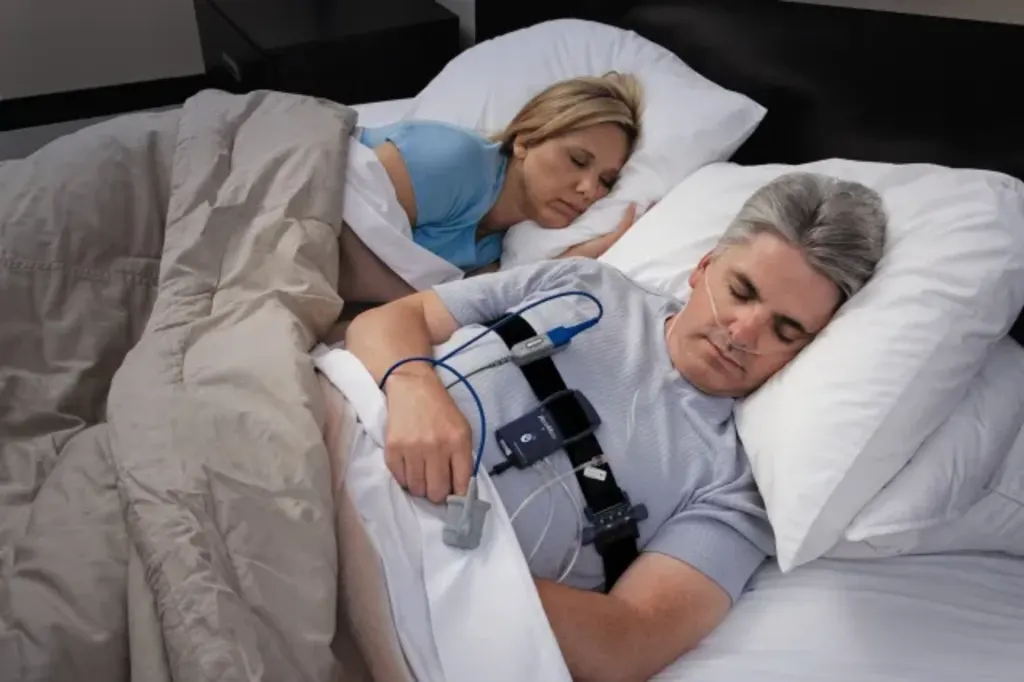
In many bulk-bill sleep study Adelaide home tests, the patient takes home a device that measures airflow, breathing effort, pulse, and oxygen saturation. The clinic usually provides instructions on placement, bed-time routine, and what to do if something detaches.
Carers can help by checking sensors before sleep and noting any obvious events, such as repeated awakenings or mask-like mouth breathing. A “failed” study can happen, so it is worth asking the clinic what their repeat-test policy is.
What do key sleep study results mean for sleep apnoea?
A bulk-bill sleep study Adelaide report commonly includes indices such as AHI (apnoea-hypopnoea index) and oxygen desaturation. In simple terms, these numbers help describe how often breathing is disrupted and how much oxygen drops during sleep.
Severity is not only a number. Symptoms, comorbidities, and oxygen lows matter, especially for people with cardiovascular disease, diabetes, or significant daytime sleepiness. A clinician should link results to practical treatment options.
If it is bulk-billed, will treatment like CPAP also be free?
Usually not. A bulk-bill sleep study Adelaide service relates to the diagnostic process, not automatically to devices or long-term management. CPAP machines, masks, consumables, and follow-up programmes may involve costs, though rebates and private health options vary.
Patients and carers should ask for a clear written quote for any equipment, plus a plan for mask fitting and troubleshooting. The right support early can determine whether therapy is tolerated and effective.
What other treatments might be discussed after diagnosis?
After a bulk-bill sleep study Adelaide diagnosis, management depends on severity, anatomy, lifestyle factors, and patient preference. CPAP is common for moderate to severe obstructive sleep apnoea, but it is not the only approach.
Some people are assessed for mandibular advancement splints via appropriately trained dental practitioners. Others benefit from positional therapy, weight management support, alcohol reduction, nasal obstruction treatment, or surgery in selected cases. A clinician should tailor options to the patient’s risks and daily life.
What if the sleep study is “negative” but symptoms remain?
A bulk-bill sleep study Adelaide result that does not show obstructive sleep apnoea does not always mean “nothing is wrong”. It may reflect a technical issue, an atypical pattern, or a different sleep disorder.
If symptoms persist, clinicians may consider repeating the study, escalating to in-lab testing, or investigating insomnia, circadian rhythm issues, periodic limb movements, medication effects, or mental health contributors. Carers should keep documenting observed events because pattern details often guide next steps.

How can carers support someone preparing for and adjusting to treatment?
Carers can make a major difference after a bulk-bill sleep study Adelaide diagnosis, especially in the first few weeks of treatment. Practical support includes helping track sleepiness, reminding about consistent bedtimes, and encouraging follow-up when problems arise.
For CPAP therapy, carers can help by noticing issues such as mask leaks, dryness, mouth breathing, or anxiety related to using equipment. Support is most effective when it remains non-judgemental and focuses on practical health outcomes, including safer driving, improved mood, and more consistent energy levels. Accessing CPAP therapy support and equipment guidance can also help patients and carers feel more confident with long-term sleep apnea management.
Where should patients go in Adelaide for trustworthy, Australia-based guidance?
People exploring bulk-bill sleep study Adelaide options should start with their GP and ask whether a sleep physician assessment is appropriate. They can also ask about local providers’ waiting times, test types, and follow-up standards.
For patients and carers, the safest approach is to choose services that explain costs upfront, provide clear reports, and offer practical treatment support. Sleep apnoea management is rarely a one-night fix, so the best pathway is one that stays clinically grounded and patient-focused.