
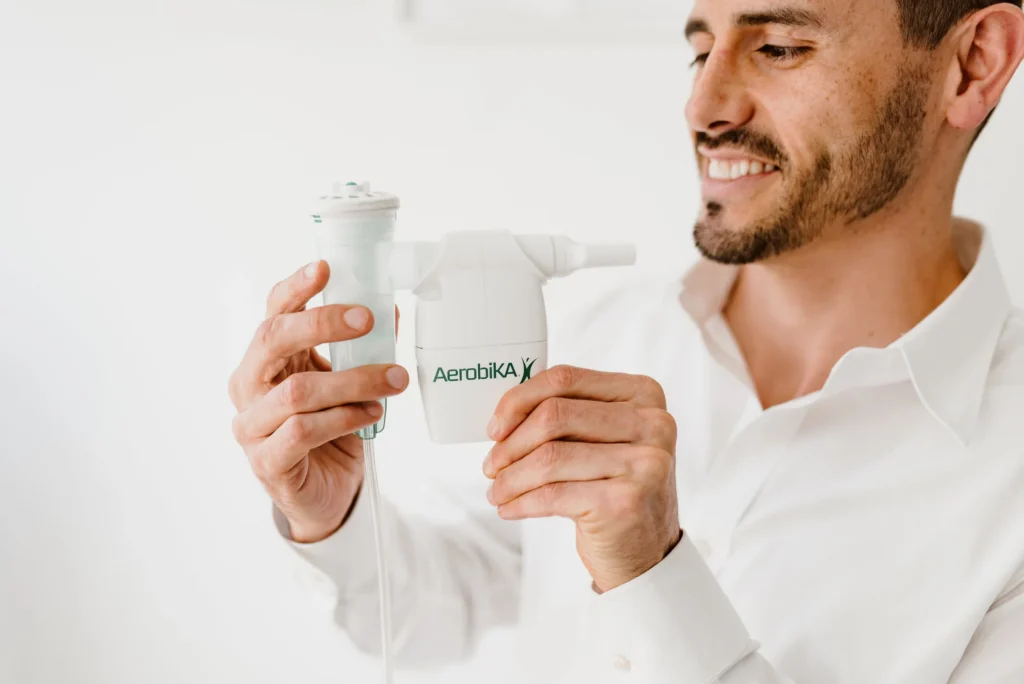
The focus here is respiratory support and day-to-day usability, written for readers who value clear, clinical information. Any device should be selected with a treating team, particularly for people managing multiple conditions or using other respiratory therapies.
What is Aerobika Australia and what does it do?
Aerobika Australia generally refers to the Aerobika oscillating positive expiratory pressure (OPEP) device and how it is sourced, used, and supported locally. It is designed to help mobilise mucus by combining positive pressure with oscillations during exhalation.
In simple terms, it aims to make airway clearance more effective and less tiring for some people when used correctly and consistently.
Who is Aerobika Australia typically suited to?
Aerobika Australia is usually considered for people who need help clearing mucus due to chronic respiratory conditions. In Australian practice, this often includes bronchiectasis, COPD with chronic sputum, and some post-infection or post-operative airway clearance plans.
Suitability depends on diagnosis, current symptoms, inspiratory and expiratory capacity, and whether they can maintain a good seal and follow technique.
What actually separates the best Aerobika Australia options from the rest?
The biggest differences tend to be clinical fit, correct setup, and reliable supply and education in Australia. A device can be “the right model” on paper but still underperform if the resistance is wrong or technique is not checked.
The best Aerobika Australia outcomes usually come from a matched plan: the right resistance range, a realistic routine, and follow-up with a respiratory physio or clinician.
How important is adjustable resistance when comparing Aerobika Australia choices?
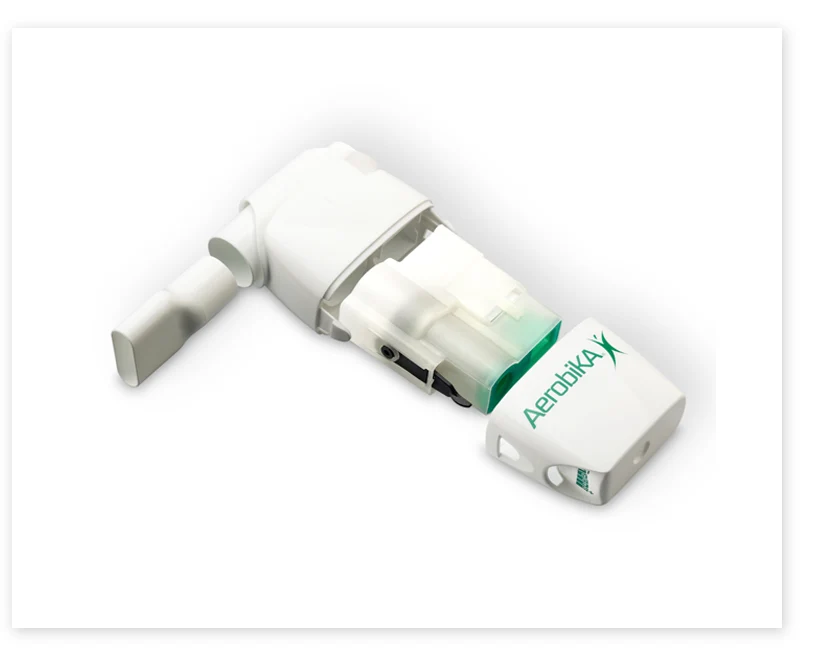
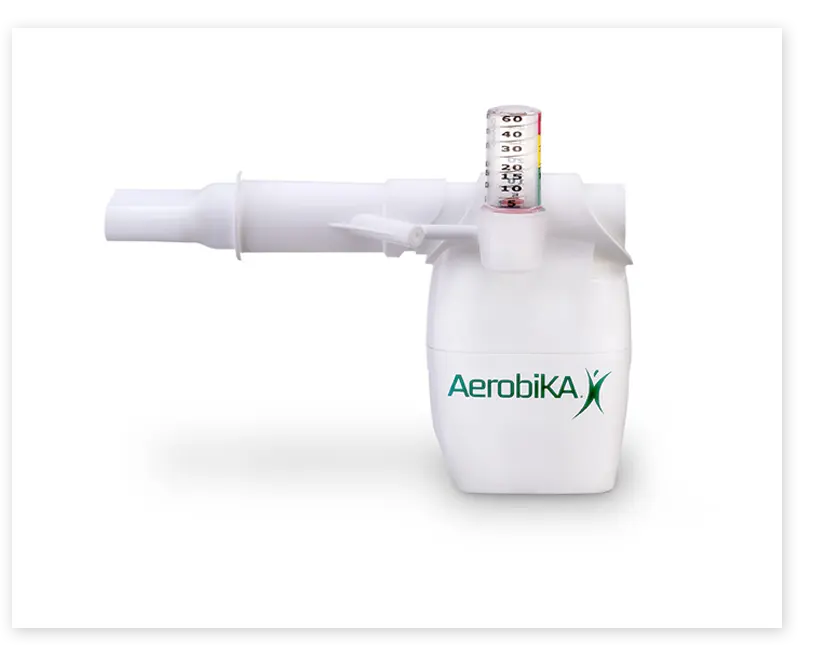
Adjustable resistance is central because it affects pressure, comfort, and how well the oscillations are generated for that person. Too low can feel ineffective, while too high can be fatiguing or lead to poor technique.
When clinicians recommend Aerobika Australia, they often check whether the chosen setting supports steady, controlled exhalation for the prescribed duration without breath holding or air leakage.
What should they look for in build quality and valve performance?
Consistency matters because airway clearance relies on repeatable pressure and oscillation. A well-made device should feel stable in the hand, seal properly at the mouthpiece, and maintain predictable resistance across sessions.
For Aerobika Australia, readers should prioritise devices sourced through reputable Australian channels, as this reduces the risk of mismatched parts, unclear instructions, or poor quality control.
How do cleaning requirements affect real-world results?
If cleaning is too hard, adherence usually drops, and hygiene risks rise. The best options are those they can realistically clean after use, as instructed by the manufacturer and reinforced by their clinic.
With Aerobika Australia, it is worth checking whether the household can maintain the recommended routine using available supplies, time, and safe drying space, especially for carers supporting older patients.
What role does clinician guidance play in getting Aerobika Australia right?
Technique is often the difference between “it didn’t help” and “it finally feels productive.” Clinicians commonly coach posture, breathing patterns, sealing the mouthpiece correctly, and knowing when to add huff coughing, while also showing how to fit the routine into morning and evening schedules. For people managing recovery after illness or injury, physiotherapy rehabilitation services can complement these techniques and support better long-term respiratory outcomes.
For Aerobika Australia, the best setups usually include at least one supervised check because small corrections can change results quickly.
How should they judge comfort, fatigue, and ease of use?
Comfort is not a luxury feature; it is a predictor of whether they will keep using it. If the device causes jaw strain, light-headedness, or frustration, the plan may need adjusting.
In Aerobika Australia, better options are those that the patient can use with stable breathing, minimal leakage, and a routine that fits their energy levels on good and bad symptom days.
Can Aerobika Australia be integrated with other respiratory therapies?
It can be, but timing and sequencing should be guided by a clinician. Some people are advised to use bronchodilators before airway clearance, while others are coached on when to add nebulised therapy or when to avoid stacking treatments that cause fatigue.
In Australian clinics, Aerobika Australia is often one part of a broader plan that may include exercise, hydration targets, and airway clearance techniques tailored to the condition.
What Australian purchasing and support factors matter most?
Local access plays an important role in maintaining continuity of care. Patients should check whether supplies are available through Australian pharmacies or medical suppliers, whether replacement parts are easy to obtain, and whether the instructions follow Australian clinical practice. Choosing a provider that offers reliable medical equipment servicing Australia can also make ongoing maintenance and support more convenient.
For Aerobika Australia, reputable local sourcing also makes it easier to resolve issues quickly, such as confirming authenticity, obtaining guidance documents, or replacing a worn component without long delays.
What questions should they ask their GP, respiratory specialist, or physio?
They should ask what the goal is, such as reducing exacerbations, improving daily clearance, or easing breathlessness associated with sputum retention. They should also ask how success will be measured and when to review technique.
Useful questions for Aerobika Australia include the right resistance setting to start with, how long sessions should run, how many cycles to do, and what signs suggest the plan needs adjusting.
How does this relate to people managing sleep apnoea in Australia?
Sleep apnoea care is different from airway clearance, but many households manage more than one health issue at once. People using CPAP may still have nasal congestion, cough, reflux, or a separate respiratory diagnosis that requires its own plan.
If they are exploring Aerobika Australia while managing sleep apnoea, it is best handled as a coordinated plan, so that therapy timing, comfort, and sleep quality are protected rather than compromised.
What are the practical signs they have chosen well?
A good match often results in improved ability to clear mucus, reduced chest heaviness, and a routine that can be maintained without causing excessive fatigue. Over time, some people may also experience fewer flare-ups, although outcomes depend on the underlying condition, treatment plan, and overall health management. Exploring respiratory care equipment options can help patients understand how different devices may support their daily breathing needs and long-term respiratory goals.
With Aerobika Australia, a strong sign is that the patient can describe a clear technique, knows their setting, cleans it correctly, and has a scheduled review point with their clinician.
What is the safest way to get started with Aerobika Australia?
The safest path is to start with clinician guidance, then build a simple routine they can stick to. They should document how it feels, what comes up, and whether symptoms change, then bring that back to the next review.
Done properly, Aerobika Australia is not just a product choice, it is a technique plus a plan, supported by Australian clinical care and adjusted to the person using it.