

Sleep disorders are increasingly recognised as a significant public health issue, affecting millions of Australians. In Brisbane, the availability of bulk-billed sleep studies has made it easier for individuals to access the necessary diagnostics without incurring hefty out-of-pocket expenses. This article aims to provide a comprehensive guide on how to access bulk-bill sleep studies in Brisbane, detailing the process, eligibility criteria, and the benefits of these services.
Understanding Sleep Studies
Sleep studies, also known as polysomnography, are diagnostic tests that monitor various physiological parameters during sleep. These studies are crucial for diagnosing conditions such as obstructive sleep apnoea (OSA), insomnia, and other sleep-related disorders. By analysing sleep patterns, healthcare professionals can develop effective treatment plans tailored to individual needs.
Accessing a bulk-bill sleep study Brisbane is a straightforward process that can lead to significant improvements in sleep health. By obtaining a referral, choosing the right clinic, and understanding the eligibility criteria, individuals can navigate the system effectively. The benefits of bulk-billing, including cost-effectiveness and accessibility, make it an invaluable resource for those struggling with sleep disorders.

Types of Sleep Studies
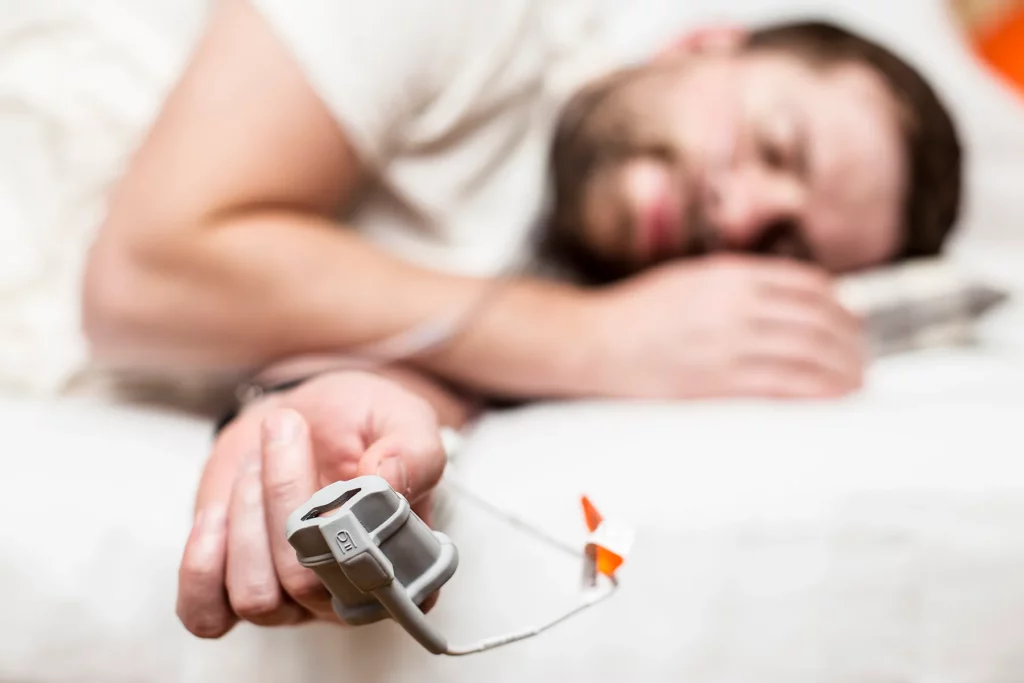
There are several types of sleep studies available, including in-lab polysomnography and home sleep apnoea testing (HSAT). In-lab studies are typically conducted in a sleep clinic, where patients are monitored overnight. In contrast, HSAT allows patients to conduct tests in the comfort of their own homes, using portable devices that record essential data.
Both types of studies have their advantages. In-lab studies provide comprehensive data under controlled conditions, while HSAT is more convenient and less intimidating for many patients. Understanding the differences can help individuals choose the right option for their needs. Additionally, the choice of study may depend on the specific symptoms presented and the healthcare provider’s recommendations. For instance, patients exhibiting severe symptoms may be advised to undergo in-lab testing to ensure accurate diagnosis and monitoring.
Why Sleep Studies Are Important
Diagnosing sleep disorders is vital for overall health. Conditions like OSA can lead to severe complications, including cardiovascular issues, diabetes, and impaired cognitive function. Early diagnosis and treatment can significantly improve quality of life, making sleep studies an essential tool in modern healthcare.
Moreover, sleep studies can also provide insights into the sleep architecture of an individual, revealing how different sleep stages—such as REM and non-REM sleep—are affected by various disorders. This information is invaluable, as it not only aids in diagnosing conditions but also helps in understanding the underlying mechanisms at play. For example, disruptions in REM sleep can be linked to mood disorders, while insufficient deep sleep may contribute to chronic fatigue. By delving deeper into these patterns, healthcare providers can offer more targeted interventions, enhancing the overall effectiveness of treatment plans and promoting healthier sleep habits. find more about interventions on https://az.research.umich.edu/medschool/glossary/intervention
Accessing Bulk-Bill Sleep Studies in Brisbane
Accessing bulk-billed sleep studies in Brisbane involves several steps, from obtaining a referral to selecting a suitable clinic. Understanding this process can help streamline the journey towards better sleep health.
Getting a Referral
The first step in accessing a bulk-billed sleep study is obtaining a referral from a general practitioner (GP). During the consultation, the GP will assess the patient’s symptoms, medical history, and any relevant risk factors. If a sleep disorder is suspected, the GP will provide a referral to a sleep specialist.
It is essential to communicate openly with the GP about sleep issues, including snoring, excessive daytime sleepiness, or difficulty falling asleep. This information will help the GP make an informed decision regarding the need for a sleep study. Additionally, patients should be prepared to discuss any lifestyle factors that may be contributing to their sleep problems, such as stress levels, work schedules, or existing medical conditions. This comprehensive approach ensures that the GP can tailor their recommendations effectively, paving the way for a more targeted assessment by the sleep specialist.
Learn more on: Sleep Testing Brisbane: Available Services and Costs
Choosing a Sleep Clinic
Once a referral is obtained, the next step is to choose a sleep clinic that offers bulk-billed services. Many clinics in Brisbane provide this option, but it is crucial to confirm their bulk-billing status before proceeding. Patients can check the clinic’s website or contact them directly to inquire about bulk-billing availability.
Factors to consider when selecting a clinic include the clinic’s reputation, the qualifications of the specialists, and the types of sleep studies offered. Reading reviews and seeking recommendations can also provide valuable insights into the quality of care provided. Furthermore, it may be beneficial to visit the clinic beforehand, if possible, to get a sense of the environment and the professionalism of the staff. A welcoming atmosphere can significantly ease any apprehensions about the study, especially for those who may feel anxious about undergoing sleep assessments.
Preparing for the Sleep Study
Preparation for a sleep study may vary depending on the type of study being conducted. For in-lab studies, patients are typically advised to avoid caffeine and alcohol on the day of the test. It is also essential to maintain a regular sleep schedule leading up to the study.
For home sleep studies, patients will receive detailed instructions on how to use the equipment. Familiarising oneself with the device and understanding the monitoring process can alleviate anxiety and ensure accurate results. Additionally, patients should consider preparing a comfortable sleep environment at home, ensuring that the area is quiet and free from distractions. This can help replicate the conditions of a sleep clinic, thus enhancing the reliability of the study results. It is also advisable to keep a sleep diary in the days leading up to the study, noting sleep patterns and any disturbances, as this information can be invaluable for the sleep specialist in interpreting the findings. To learn more about disturbances click here.
Eligibility for Bulk-Billing
While bulk-billing makes sleep studies more accessible, certain eligibility criteria must be met. Understanding these criteria can help patients navigate the system effectively.
Medicare Eligibility
In Australia, bulk-billing is primarily available to patients who hold a valid Medicare card. This includes Australian citizens and permanent residents. Individuals who are not eligible for Medicare may still access sleep studies but may incur out-of-pocket expenses.
Patients should check their Medicare eligibility and ensure that their GP referral includes the necessary details for bulk-billing. This may include specific diagnostic codes related to sleep disorders.
Clinical Indications
Bulk-billed sleep studies are typically reserved for patients who exhibit clinical indications for testing. This includes individuals with symptoms of sleep disorders, such as loud snoring, observed apnoeas, or excessive daytime sleepiness. The GP’s referral should clearly outline these symptoms to facilitate the bulk-billing process.
Benefits of Bulk-Bill Sleep Studies
Bulk-billed sleep studies offer numerous benefits, making them an attractive option for individuals seeking help with sleep disorders.
Cost-Effectiveness
One of the most significant advantages of bulk-billing is the cost-effectiveness it provides. For many patients, the financial burden of private healthcare can be overwhelming. Bulk-billed services eliminate out-of-pocket expenses, ensuring that individuals can access essential diagnostic tests without financial strain.
This cost-effectiveness is particularly beneficial for those with chronic sleep issues who may require ongoing assessments and treatments. By removing financial barriers, bulk-billed sleep studies promote better health outcomes for all patients.
Accessibility
Bulk-billed sleep studies enhance accessibility to necessary healthcare services. With the increasing prevalence of sleep disorders, it is crucial that individuals can access diagnostic testing without delay. Bulk-billing allows more patients to receive timely evaluations, leading to quicker diagnoses and treatments.
This accessibility is especially vital in a diverse city like Brisbane, where varying socioeconomic factors can influence healthcare access. By providing bulk-billed options, clinics can cater to a wider population, ensuring that everyone has the opportunity to seek help for sleep-related issues.
What to Expect During and After the Study
Understanding what to expect during and after a sleep study can help alleviate any concerns patients may have. This knowledge can also prepare individuals for the next steps in their treatment journey.
During the Sleep Study
For in-lab studies, patients will arrive at the clinic in the evening and will be guided to a private room. Electrodes will be attached to various parts of the body, including the scalp, face, and limbs, to monitor brain activity, eye movements, and muscle tone. A technician will be present to ensure everything runs smoothly throughout the night.
Patients are encouraged to relax and sleep as they normally would. The study typically lasts for one night, and patients will be monitored continuously to gather comprehensive data on their sleep patterns.
After the Sleep Study
Following the sleep study, the data collected will be analysed by a sleep specialist. Results are usually available within a week, and patients will receive a follow-up appointment to discuss findings and potential treatment options.
Depending on the diagnosis, treatment may involve lifestyle changes, the use of continuous positive airway pressure (CPAP) machines, or other interventions. The specialist will work with the patient to develop a personalised treatment plan, ensuring that their specific needs are addressed.
Conclusion
With the right support and diagnostic tools, individuals can take the first step towards better sleep and overall health. For those experiencing symptoms of sleep disorders, seeking help through a bulk-billed sleep study can be a life-changing decision.