
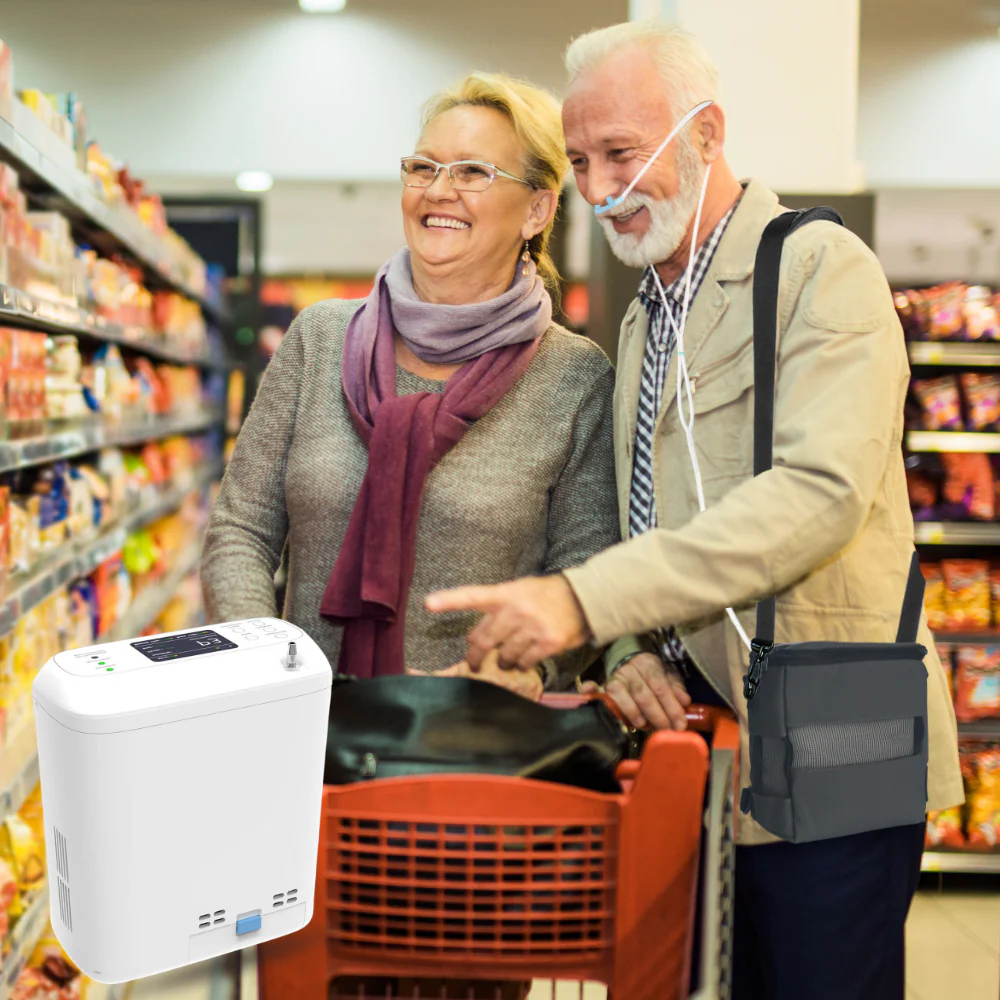
This guide explains typical Australian pricing, what changes the figure, and what to ask suppliers so they can compare like for like. It is general information for patients and carers. A clinician should confirm the right oxygen prescription and device type for their needs.
How much does Philips Everflo oxygen concentrator cost in Australia right now?
In Australia, how much does Philips Everflo oxygen concentrator cost usually falls in the mid four figures for a new unit, with meaningful variation between suppliers and inclusions. Most people will see quotes that differ because one includes delivery, setup, or a warranty extension and another does not.
As a broad guide, expect new pricing commonly in the $1,500 to $2,800 AUD range, depending on model variant, accessories, and supplier policies.
Why do prices for the same Philips EverFlo vary between suppliers?
Even when the model name is the same, suppliers bundle different items and services. That is why two quotes can look far apart while both are technically “correct”.
When patients ask how much does Philips Everflo oxygen concentrator cost, the answer often depends on whether the quote includes cannulas, extra filters, a humidifier bottle, delivery to regional areas, in-home education, or a longer warranty.
Is it cheaper to rent rather than buy a Philips EverFlo?
Renting can be cheaper short term, especially for temporary oxygen needs after a hospital admission. For long term therapy, buying often becomes better value once rental fees accumulate.
For Australians comparing options, how much does Philips EverFlo oxygen concentrator cost as a rental is often quoted weekly or monthly. Typical ranges can be around £30 to £90 per week or £120 to £350 per month, depending on service, callouts, and included consumables.
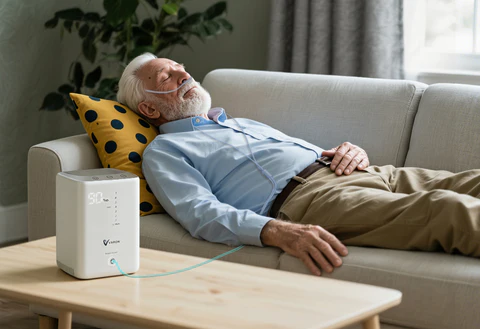
What is the difference between buying new, refurbished, or second hand?
New units cost more upfront but usually come with clearer warranty coverage and known service history. Refurbished units may cost less while still being checked and serviced by a provider. Second hand units bought privately can be the cheapest, but they carry the most risk.
When weighing how much does Philips EverFlo oxygen concentrator cost, it helps to remember that a lower price is not a bargain if the unit has unknown hours, missing parts, or no support if it fails.
What should be included in the price to make it a fair comparison?
A fair quote should spell out exactly what is included. Otherwise, patients may compare a bare unit against a full bundle and think one supplier is overpriced.
To compare how much does Philips EverFlo oxygen concentrator cost properly, they can ask if the price includes:
- Delivery (metro vs regional)
- Setup and basic education
- Power cord and standard accessories
- Intake filter and spare filters
- Humidifier bottle (if prescribed)
- Initial cannulas or tubing
- Warranty period and what it covers
- Servicing schedule and callout fees
Are there ongoing costs after buying the concentrator?
Yes. The machine is the major cost, but oxygen therapy usually has small ongoing expenses. These are often overlooked until the first replacement is needed.
People asking how much does Philips Everflo oxygen concentrator cost should also budget for cannulas, tubing, humidifier bottles, and filters. Many of these are replaced every few weeks to months depending on usage, hygiene, and supplier advice.
How long does a Philips EverFlo typically last, and does that affect value?
Many home concentrators can last for years when used correctly and serviced as required, but their lifespan depends on hours of use, heat, dust exposure, and regular maintenance. A unit running continuously throughout the day will generally experience more wear than one used only overnight. Scheduling routine home electrical safety inspections can also help ensure the equipment operates in a safe and suitable environment.
So when carers consider how much does Philips Everflo oxygen concentrator cost, value is not just purchase price. It is also reliability, service access in their state or region, and whether the supplier can support them quickly if alarms occur.
Does oxygen flow rate or prescription change the price?
Most Philips EverFlo units are designed for standard continuous flow oxygen up to typical home therapy levels. If a patient needs higher flows, different modes, or a portable solution, the device category may change and so will the cost.
This matters because how much does Philips Everflo oxygen concentrator cost only applies if EverFlo is clinically appropriate. A prescriber may instead recommend a higher capacity concentrator, cylinders, or a portable concentrator for mobility.
Can Australians get financial support for home oxygen equipment?
Sometimes, but it depends on diagnosis, state schemes, hospital discharge arrangements, and eligibility rules. Some patients receive oxygen as part of a hospital managed programme, while others purchase privately through a supplier.
Because support varies, patients should not assume how much does Philips EverFlo oxygen concentrator cost will be entirely out of pocket or fully covered. Instead, they should ask their respiratory team, hospital social worker, or local programme about the funding options available in their area. Comparing healthcare equipment financing options may also help patients understand the costs and payment solutions available for long-term medical devices.
What questions should patients ask before paying?
The safest approach is to treat the purchase like a small medical equipment contract. Clear answers now reduce surprises later, especially if the unit is needed nightly.
Before deciding how much does Philips Everflo oxygen concentrator cost for their situation, they can ask:
- Is this the exact model number, and is it Australian supplied?
- What is the warranty length, and who handles warranty claims?
- What happens if the unit alarms or fails after hours?
- Is a loan unit offered during repairs?
- What consumables are required and how often are they replaced?
- Are service costs fixed, or charged per visit?
- Can they provide written instructions and cleaning guidance?
How does this relate to sleep apnoea patients and carers?
Sleep apnoea is usually treated with CPAP, APAP, or bilevel therapy, not oxygen alone. However, some patients have overlapping conditions such as COPD, obesity hypoventilation, or cardiac disease and may be prescribed oxygen in addition to PAP therapy.
That overlap is why some readers still ask how much does Philips Everflo oxygen concentrator cost. If they are using CPAP and oxygen together, it is worth confirming compatibility, correct connection method, and whether humidification settings need adjustment.
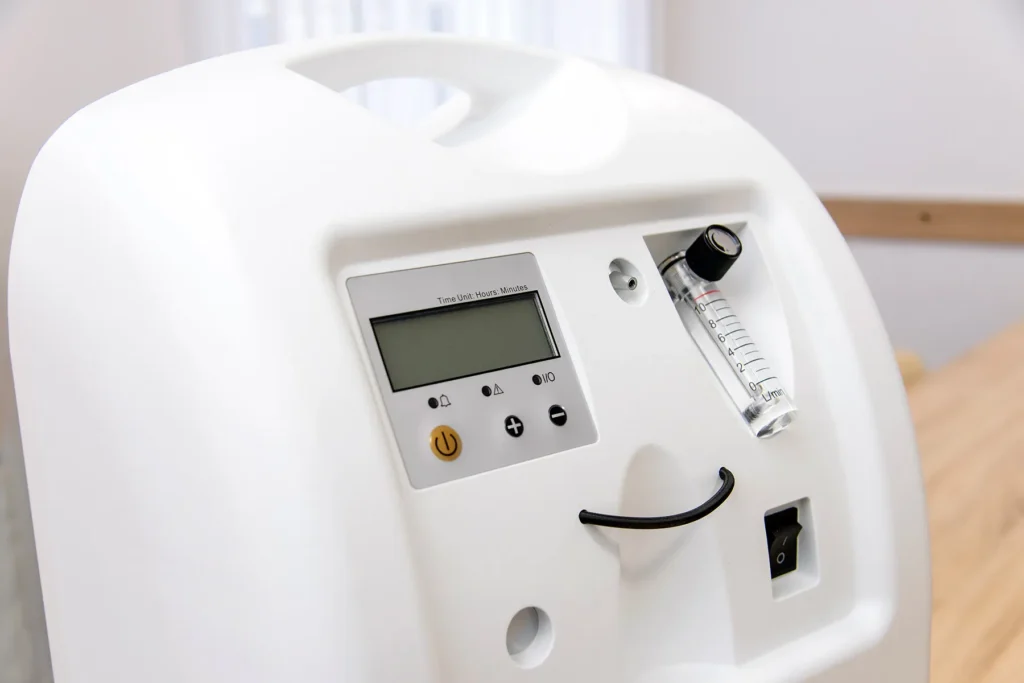
What are common pricing “gotchas” to watch for?
Most problems come from unclear inclusions or misunderstandings about service. A low headline price can rise quickly if delivery and accessories are added, or if there are unexpected fees for callouts.
When checking how much does Philips Everflo oxygen concentrator cost, common gotchas include:
- Short warranty terms, or warranty limited to specific parts
- Delivery charges to regional and remote areas
- Paid “setup” fees that are not optional
- No clear plan for breakdowns or loan equipment
- Refurbished units described vaguely without stating hours and test results
What is a sensible takeaway for buyers comparing quotes?
They should focus on overall value and continuity of care rather than choosing only the lowest upfront price. A reliable supplier that provides clear instructions, responsive customer support, and transparent servicing can be worth paying slightly more for, especially for patients who depend on respiratory equipment overnight. Comparing medical equipment supplier support services can help buyers choose providers that offer dependable assistance throughout the life of the device.
For most Australians, the practical answer to how much does Philips Everflo oxygen concentrator cost is: expect around £1,500 to £2,800 AUD to buy new, or a weekly/monthly rental that may suit short term needs. The right choice depends on prescription duration, support needs, and what is included in the quote.
If they are unsure, they can ask their clinician or respiratory supplier to confirm the correct device and flow settings before committing to a purchase.